





By Kenneth Christiane L. Basilio, Reporter
LAWMAKERS are expected to begin repositioning and quietly shifting allegiances this year as President Ferdinand R. Marcos, Jr.’s influence over Congress weakens, with a widening graft scandal complicating efforts to hold the ruling coalition together, political analysts said over the weekend.
Senators and congressmen are expected to start hedging as Mr. Marcos enters the “lame duck” phase, when presidential influence traditionally fades in the second half of a six-year term.
That decline, they said, is being accelerated by corruption allegations tied to government infrastructure projects, which have weighed on public trust and unsettled political alliances.
“The positioning for 2028 is already happening,” Ederson DT. Tapia, a political science professor at the University of Makati, said in a Facebook Messenger chat. “You can see it in who chooses to speak loudly, who suddenly rediscovers independence and who carefully avoids being too closely associated with unpopular decisions.”
Public support for the President has weakened. A December survey by the Social Weather Stations showed Mr. Marcos’ net trust rating slipping to -3 from +7 in September, reflecting growing frustration among Filipinos over corruption issues and governance concerns.
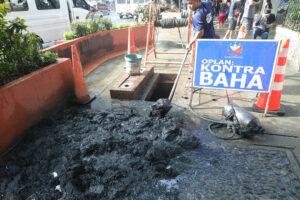
Congress is set to resume session on Jan. 26, with lawmakers returning amid lingering outrage over irregularities in flood control projects and looming impeachment complaints against both Mr. Marcos and Vice-President Sara Duterte-Carpio.
The administration is also pushing legislation it says will address corruption concerns and ease business conditions, even as scrutiny of public spending intensifies.
The Philippines ranked 114th out of 180 countries in the 2024 Corruption Perceptions Index, underscoring the depth of governance challenges confronting the administration. Analysts said that while bills framed as vital for economic recovery are likely to pass, tougher measures that threaten entrenched interests might struggle.
“Reforms especially those involving accountability, redistribution or entrenched interests may face stronger resistance,” Mr. Tapia said. “Legislators have begun to ask why they should absorb political risk for a President whose influence is perceived to be declining.”
Arjan P. Aguirre, a political science lecturer at the Ateneo de Manila University, said allies of Mr. Marcos might try to keep the coalition intact by distributing political favors and maintaining access to resources. However, he said this approach faces limits.
“The controversy surrounding flood control projects, increasing public demand for transparency in the budget process and growing resistance to discretionary funds all limit the administration’s room to maneuver,” he said via Messenger.
He added that the same scandal could also be used as a tool to enforce discipline within the ruling bloc.
“Many incumbents and established political families have been linked — directly or indirectly — to these projects during the 19th and 20th Congresses, making them vulnerable to political pressure,” Mr. Aguirre said.
Anthony Lawrence A. Borja, an associate political science professor at De La Salle University, said Mr. Marcos could still retain some control over lawmakers if corruption investigations remain credible and active.
“The President can maintain some semblance of control if the threat of being subject to corruption-related investigations remains credible,” he said in a Messenger chat. “If the corruption investigations intensify, then Mr. Marcos might get a better grip on legislators.”
Authorities have accused several government officials, politicians and private contractors of diverting funds meant for flood mitigation projects in a country frequently battered by typhoons. Some contractors and lower-level public works officials have been arrested, but no senior politicians have been detained so far.
Despite these pressures, analysts said a sudden collapse of the ruling coalition is unlikely. Instead, lawmakers are expected to move cautiously as they assess political winds ahead of the 2028 presidential race.
“Defections will come, but not immediately,” Mr. Tapia said. “What we are seeing first is hedging. Legislators are testing how far they can go without fully severing ties.”