







Most businesses, which includes modern ones, invest heavily in technology, but they rarely plan for its eventual and inevitable exit strategy.
Generally speaking, companies spend millions on the latest hardware while overlooking the critical phase when those assets reach their end.
This lack of planning creates a massive gap in the operational lifecycle of many otherwise successful global organizations.
Decisions made at the end of a device’s life carry real business risks that can impact the bottom line financially and environmentally speaking.
Understanding the journey of retired technology is essential for maintaining a secure and efficient corporate environment in 2026 and beyond.
An Overlooked Business Question
The primary focus of most IT departments is usually on procurement, installation, and the ongoing maintenance of new systems.
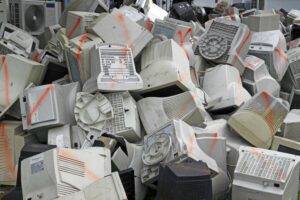
Consequently, the question of what happens to old hardware often remains unanswered or not even discussed, while the storage rooms remain full.
When end-of-life decisions for old technology equipment are ignored, the business exposes itself to vulnerabilities that are difficult to manage later on.
These overlooked assets represent more than just physical clutter; they are potential liabilities waiting to happen for the firm.
A proactive approach to technology retirement ensures that every piece of hardware is accounted for during its transition, and by doing it this way, future problems are prevented.
The Business Risks of Poor IT Asset Disposal
Poor IT asset disposal practices can lead to devastating data breaches and heavy regulatory fines for the organization as well as sustainability issues with customers.
If a hard drive containing sensitive corporate data is simply thrown away, the security risk could be immense for the company and its clientele.
Reputational damage from a single leaked document can haunt a company for many years after the initial incident.
Furthermore, unmanaged assets lead to financial loss through wasted storage space and unnecessary insurance costs that have to be covered by the business.
Failing to track retired equipment can lead to losing control over the very data that defines your competitive market edge, putting your company at risk once again.
IT Asset Disposition as an Operational Discipline
Forward-thinking companies are now treating asset retirement with the same rigor and discipline as they treat new procurement.
Strategic leaders recognize that global itad services are a vital component of a comprehensive corporate risk management framework.
By formalizing the disposal process, businesses can ensure that security protocols are followed consistently across all global locations.
This operational discipline shifts the focus from simple trash removal to a sophisticated and highly secure workflow.
ITAD belongs in board-level risk discussions because it directly impacts the long-term survival and health of the enterprise.
Financial Recovery Through Asset Reuse and Remarketing
Value recovery, reuse, and remarketing from surplus and retired equipment is a major benefit of a well-executed IT lifecycle management plan.
Many devices that are at the point of being retired still hold significant market value even if they no longer meet the specific needs of your organization.
Working with experts allows businesses to remarket these assets and reclaim at least a portion of their original capital investment.
This process of remarketing and reuse effectively reduces the total cost of ownership for each and every piece of technology purchased by the company.
Financial recovery turns an expensive disposal problem into a potential source of unexpected revenue for the IT budget, and then we have not even touched the subject of sustainability.
Compliance, Audits, and Accountability
Meeting data protection and environmental regulations is a non-negotiable requirement for any modern business operating in today’s market.
Professional international data center decommissioning services provide the necessary expertise to navigate complex local and global legal standards.
These services ensure that hardware is recycled responsibly and that all toxic components are handled with care.
Documentation and reporting are essential for proving accountability during internal audits or external government inspections of your records.
A certified paper trail protects the company by demonstrating a commitment to ethical and legal disposal practices everywhere.
Aligning IT Lifecycle Strategy with Business Growth
A robust IT lifecycle strategy supports major business milestones such as mergers, large-scale upgrades, and digital transformation initiatives.
As companies grow, they must ensure scalability without creating dangerous security gaps in their aging hardware infrastructure.
When two organizations merge, the consolidation of IT assets requires a clear plan for disposing of redundant systems.
Proper decommissioning allows for a smooth transition to newer platforms while maintaining the highest level of data integrity.
Growth in a business should never come at the expense of security when dealing with the physical layer of your technology.
Conclusion: Smarter End-of-Life Decisions Build Stronger Businesses
Responsible IT lifecycle planning is a leadership issue that requires attention from the very top of the organization.
Smarter decisions regarding end-of-life technology help build stronger, more resilient businesses that can withstand modern security threats.
By integrating global itad services into your operations, you protect your data, your reputation, and your financial health.
Every piece of retired hardware should be viewed as a final opportunity to demonstrate corporate responsibility and excellence.
Making the right choice today ensures that your technology legacy remains a positive asset for the future.