








THE Department of Agriculture (DA) said it is reorganizing its high-value crops program by establishing three offices dedicated to exportable items, coffee, and commodities for domestic consumption.
Agriculture Secretary Francisco P. Tiu Laurel, Jr. told reporters that the reorganization had been planned last year, but was waiting on clarity on budget availability.
“Only in January could we act on it. We were just waiting for the DA’s budget, which was released on Jan. 10. It was only after that that we were able to decide how much would go to each office,” he said on the sidelines of the P20 rice program launch in San Juan City on Friday.
Mr. Laurel said that while the DA continues to concentrate resources on certain staple crops, programs for high-value crops had been managed under a single, broad program.
“We concentrate heavily on rice, sugar, corn, and coconut. But high-value crops were too broad and all under one roof. What we did was create more focus on individual sets of commodities,” he said.
Mr. Laurel said the reorganization will also help address consumer prices for high-value crops sold domestically, such as tomato, ginger, potato, chili pepper, and mung beans.
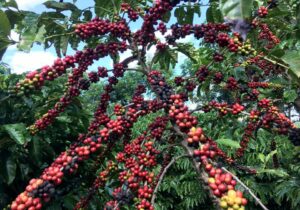
On Feb. 2, Mr. Laurel signed Department Order No. 2, which created the Coffee Industry Development Office (CIDO), tasked with tackling challenges in the coffee sector.
CIDO will be addressing outdated farming practices, ageing farmers, and limited infrastructure and equipment in the coffee industry.
Philip C. Young, Agriculture assistant secretary for export development, earlier told BusinessWorld that DA is finalizing the functions, structure, personnel, and budget requirements for the new office for export-oriented high-value crops, which he will head.
“It’s under organization, that new office, but we are already preparing some framework and program for the commodities,” he said. — Vonn Andrei E. Villamiel