

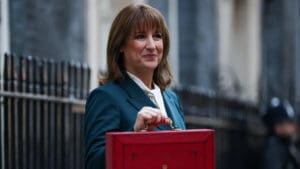







The UK’s private sector spent much of the autumn effectively “in limbo”, delaying investment and hiring decisions amid weeks of swirling Budget speculation that business leaders say left them bruised and uncertain about the government’s intentions.
The latest monthly survey from the Confederation of British Industry (CBI) reveals that firms sharply downgraded expectations for activity in the months ahead. The composite measure for anticipated private-sector activity fell to –27 in November, down from –20 in each of the previous two months, pointing to a widespread pullback in decision-making as rumours of tax rises intensified.
That cautious mood followed a significant drop in output, with the CBI reporting that private-sector activity fell at its fastest pace since August 2020. Every major sub-sector registered a decline, suggesting the impact of pre-Budget nerves was broad and deep.
CBI deputy chief economist Alpesh Paleja said the deterioration in confidence was closely linked to weeks of speculation about the Chancellor’s plans. “Growth expectations weakened in November, some of which may be down to jitters ahead of last week’s Budget,” he said. “Businesses tell us that much of the month passed in limbo, with big discretionary spending and investment on hold.”
Paleja added that while last week’s Budget introduced further costs for employers, including new National Insurance requirements for salary sacrifice pension contributions, the government’s creation of £21.7 billion of fiscal headroom could offer some stability going forward.
A separate poll suggests business sentiment remained fragile even after the Budget. Research by WPI Strategy found more than half of business leaders now expect to scale back hiring plans because of the measures announced, while a significant share believe their organisation will suffer under the new fiscal environment. Many respondents cited concerns about rising payroll costs and the cumulative burden of recent tax changes.
The period leading up to the Budget has itself become a focal point of criticism, with business groups pointing to the Treasury’s heavy reliance on anonymous briefings that repeatedly suggested a £30 billion shortfall in public finances. Those warnings fuelled fears of sweeping tax increases. Fears later undermined by the Office for Budget Responsibility (OBR), whose chair, Richard Hughes, confirmed that a productivity downgrade had not wiped out the Chancellor’s fiscal headroom after forecasts were submitted on 20 October.
Both Rachel Reeves and Keir Starmer have denied misleading the public, despite increasing scrutiny of the government’s early-November rhetoric. The row has raised questions about how the Treasury manages expectations in the run-up to fiscal events and whether pre-Budget communication has become destabilising in its own right.
The Bank of England has also noted the consequences of the prolonged uncertainty. It said tax rumours contributed to slower growth in the third quarter, while new figures show a marked cooling in the housing market. Net mortgage borrowing dropped to £4.3 billion in October, and mortgage approvals fell to 65,000, the lowest level since February 2025. Analysts say the decline reflects a pause in activity as households waited to see whether income taxes or thresholds would change.
According to Anthony Codling of RBC Capital Markets, the fall in approvals “confirms that the long period of Budget speculation negatively impacted housing market activity,” contributing to the broader sense of economic hesitation.
As business leaders absorb the Budget’s measures, many argue the government must now prioritise restoring stability and rebuilding confidence after a turbulent pre-Budget period that slowed investment, unsettled bosses and left the private sector on edge.